

Tracing Colonialism: Tanzanian Collection in Slovenia
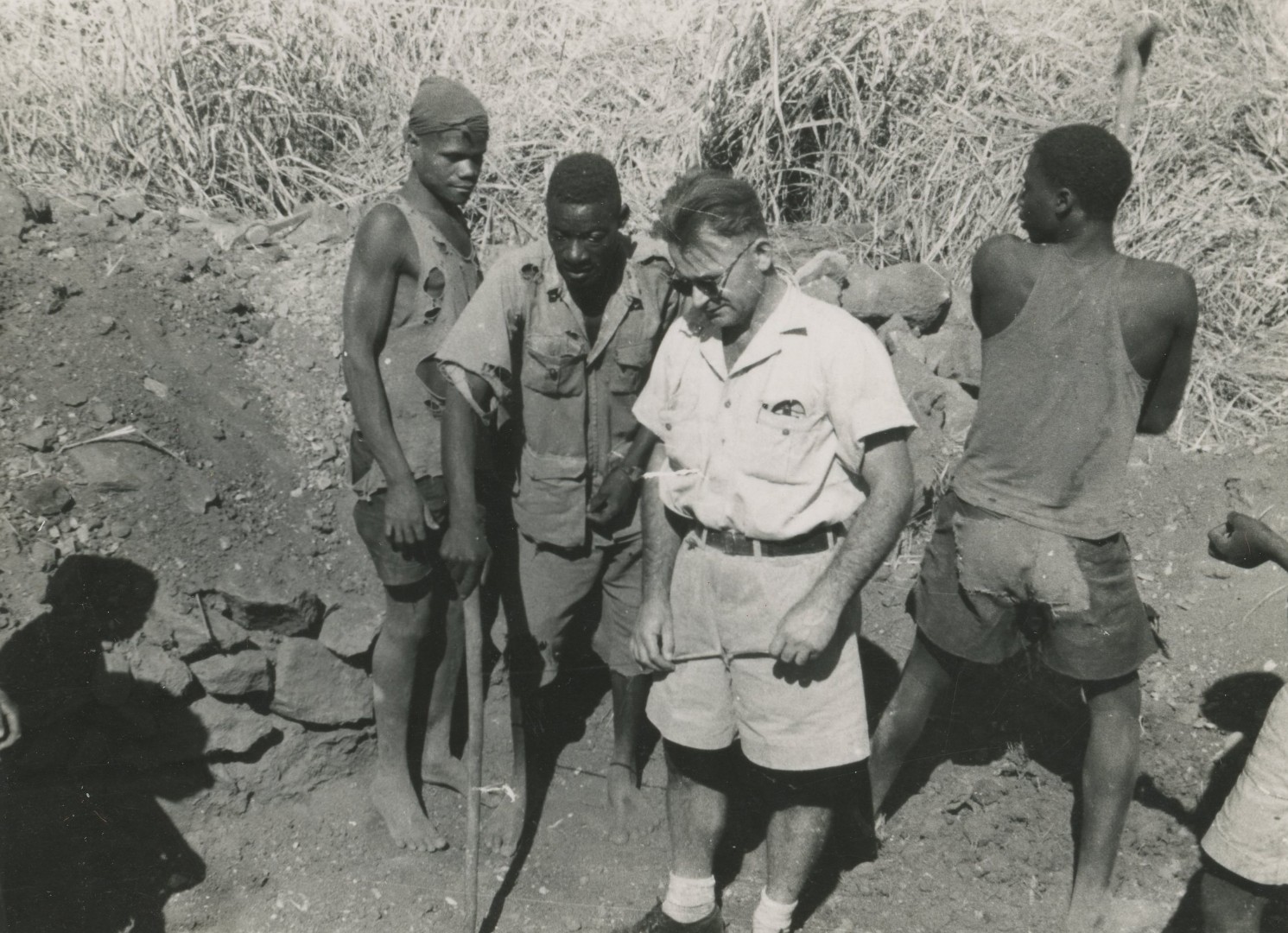
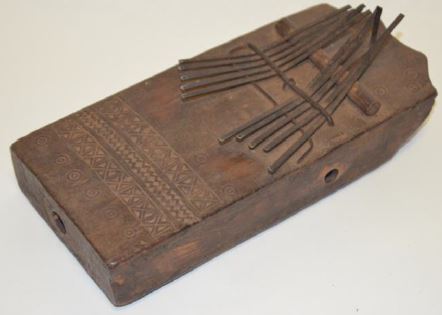
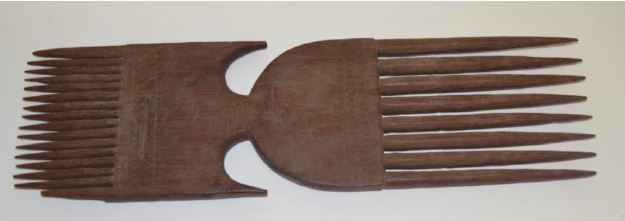
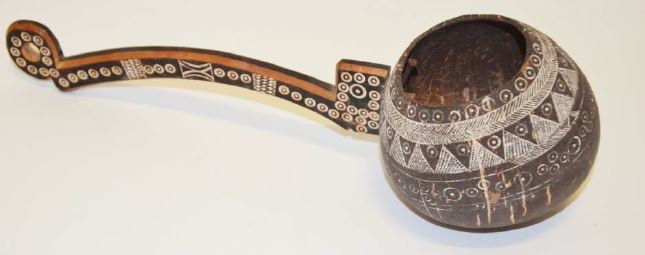
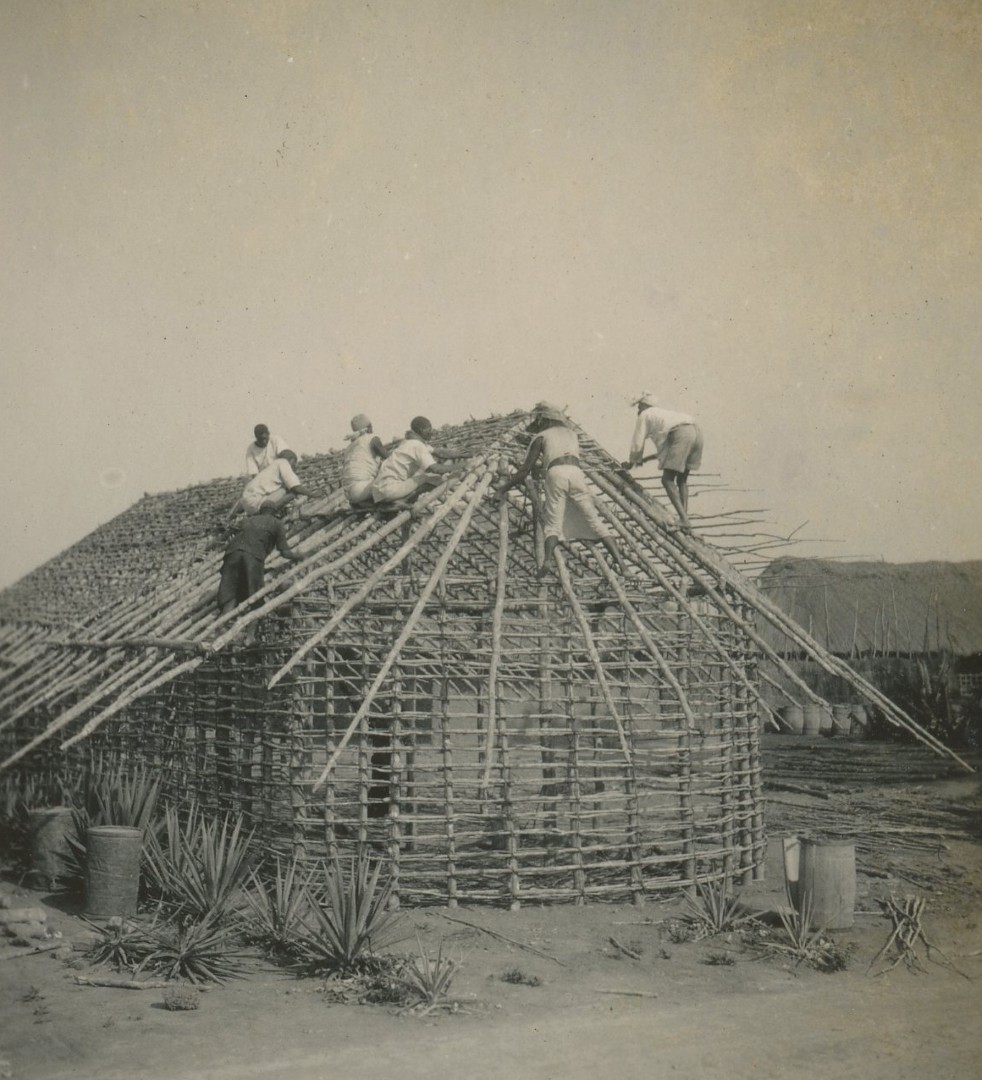
In early 2025, the Slovene Ethnographic Museum (SEM) acquired a significant collection of artifacts and photographs from Tanzania. These were collected by Stanko Grom, who lived and worked at various locations across Tanzania in the mid-20th century. Grom arrived in the country as early as 1937, working first on a sisal plantation near Tabora, then at a lead mine in Mpanda, and later in the construction industry in Chunya. Upon his return home in the 1960s, he brought with him more than 4,000 photographs and approximately 150 objects.
In 1937, Tanganyika (present-day Tanzania) was under British administration but retained a strong German influence, as many settlers had returned to the country after 1925. Grom’s records indicate that German was frequently spoken by Europeans on the plantations. His collection and photographic archive reveal both the British and German colonial presence, and through Grom’s personal story, highlight the Slovenian involvement in the colonial projects of Western empires. Furthermore, they offer insight into the colonial exploitation of natural resources—particularly sisal—for industrial development in Europe.
The project will explore the story of collector Stanko Grom and the historical and social context of the collection's origin, while examining the photographs and objects from both historical and contemporary perspectives. Dr. Marko Frelih, Curator for African and American Collections, will research Stanko Grom’s life story and track his activities in Tanzania, while Dr. Tina Palaić will focus on the historical and social context of the collection’s formation. Curator and artist Eliabu Mbonimpa, from the Iringa Boma Regional Museum and Cultural Centre, will examine selected photographs and museum objects in collaboration with other museum professionals and local communities in Tanzania. A particularly vital aspect of the project will be the comparison between historical and current conditions at the specific Tanzanian locations where the collector worked. This will allow us to identify the potential environmental consequences of colonial resource exploitation and, crucially, to establish connections with the communities currently living in these areas. Eliabu Mbonimpa will complete a part of this research prior to his arrival in Ljubljana.
The research findings will be presented through an exhibition, an accompanying public program, and a publication. Using his artistic approach, the Tanzanian curator and artist will co-create the exhibition of photographic material and selected objects at SEM. Eliabu Mbonimpa will also conduct two artistic workshops—one for families and another for the general public—where he will present his artistic methodology and invite participants to interpret the exhibited material through art. The project’s findings will be shared with our Tanzanian and German colleagues, as well as the TheMuseumsLab network, through online discussions, presentations, and a joint publication.
You can follow the progress of the project at this link.
An initiative by TheMuseumsLab CollabFund. Funded by the Kulturstiftung des Bundes (German Federal Cultural Foundation). Funded by the Beauftragter der Bundesregierung für Kultur und Medien (German Federal Government Commissioner for Culture and the Media).